
Five Questions with Steve Molter
Conversations in Vulnerability
An interview project—accompanied by black and white portraits of the guests—that explores vulnerability through unfiltered conversation. Steve Molter is an American actor, musician, podcaster, photographer, and UX leader, based in Bangkok, Thailand.
Featured Conversations

“There are so many things I want to do as a person. And some of them are just dumb things. I want to watch all these shows, I have all these books I want to read. I’m a comic book lover, so I want to read comic books. There are constantly little things in the day that I want to do. I want to go hang out and have a drink and sit on the balcony of a bar. But there is work to be done. So there’s constantly a fight between being a person and being this artist that’s grinding and still trying to make it.”

“There was an essay I was reading and Mary Oliver was quoted in it. It says, ‘One day you finally knew what you had to do and began.’ And for some reason, that really hit me. So when I came back [from the silent retreat] I thought, ‘I’m done. This is it.’ But I wasn’t. Three weeks later, I went to get some professional help.”

"There were some things I missed out on in some ways. My friends left for university and I was ready to do that, but I went into making a debut album. I knew with my heart it was what I wanted to do. It felt like a calling or a deeper purpose. But that idea of journeying with friends and going to university and having this tight group going through all these experiences together, it wasn't really something I had. I made new friends but a lot of them were a lot older than me and we got into music together, but I didn't have that same sisterhood feeling of, 'Yep, we went through college together.' But in saying that, you come to different maturities at different times of your life. I have that now in a really profound way. A really strong sense of female friends and male friends that I've made and shared so much with."

"I feel like in every relationship that I’ve had that’s dissipated has gone away partly because of that. I’ve been divorced twice. For different reasons, but there are commonalities in all of them. That is something that’s fundamental in all relationships. Everybody wants to feel as if what it is that they’re thinking or what it is that they’re felling is at the very least acknowledged in a way where somebody appreciates what they’re thinking. They may not agree with it. But they can appreciate that you experience it. So yeah, of course.
Even anybody that’s had a job. Anybody that’s been in a huge metropolitan city. You walk around, you’re on the L, you’re surrounded by millions of people and you’re not connected to them in any way.
There’s a movie where this woman is working in a bookstore—it’s an Hal Hartley movie, I can’t remember the name—she’s just standing in the middle near these stairs and she keeps saying, 'Does anyone need any help? Does anyone need any help?' And of course no one even acknowledges her. It’s universal. Disconnection is built into this society. In good ways and bad ways."

"I’ve been thinking a lot about love lately. Love for me, in terms of a romantic love, is two people coming from two different worlds and coming together and making a new world that is fit for the both of them. It usually comes with a struggle, but obviously, the romanticism and the beauty that comes from the struggle and from the infatuation you have with each other is this thing. It feels like if you were alone in this world the whole time, all of a sudden it’s like this energy has been with you the whole time, and it makes you feel like any moment that you felt alone, you weren’t, and now you know you have this thing.
I’ve been really struggling in writing about love and trying to figure out how to represent it. And I think that’s what it is. You see it in movies and books and everything, and you see two people coming together and they take a part of each other and start to adapt in their own lives until they’ve created a bubble that works for the two of them."

"There’s something that terrifies most partners about having a partner who they know if they left me, I’ll be totally fine, and perhaps if I left them, they would not be totally fine. That’s an imbalance of power. I also really expect a lot from people. I expect the best from myself, but I also expect the best from other people. Which is unfair because I shouldn’t really hold people to my own personal standards, but I really can’t. I’ve tried to work on it. I was single for four years and in that time I did a lot of work on myself, but that’s one thing I just can’t get past. If I can’t have someone who’s up to my standards then I could just hang out by myself. I don’t need money, I don’t need someone to constantly be with me, I can find sex when I need that, I don’t want to have kids. So I don't really need anything from anybody else. When I have a mate I just need them to pay attention to me. But that’s pretty much it. Pay attention and be thoughtful. You never have to buy anything for me. That’s never necessary."

"One thing I realize and I love about collaboration is that you could never do it by yourself. After all the years of doing Stars of the Lid, to be able to again find someone like Dustin—because it’s only been since 2011 when we put out our first record, so it’s in infancy still. But it’s been pretty fruitful and it’s resonated with people. It’s actually been great to find a way to collaborate with someone again at this level. I find it very rewarding. I also find it very easy—every artist says they don’t have an ego, I’m sure I do—but it’s nice to realize this later in life that sometimes you have a belief, 'Oh this song needs to sound like this' but to just trust someone else and to give some of yourself to someone else, it’s kind of romantic in a way. It feels good that sometimes I might not think it was the best idea, but someone feels strongly about it you can say, 'Hey man, let’s follow your lead on this one.'"

"I’m not into the over-protective, helicopter style of parenting. We’re nervous if our three-year-old is out in front of the house unattended because of the street. But we live on a cul-de-sac. We don’t live on a busy street. We’re at the top of the neighborhood in the back, maybe cars pass by like twice an hour or something like that. Yet, we don’t want him to be out there by himself. But at the same time, we’ve taught him not to go in the street."

"I try to be as healthy as I can in every phase. I try to eat good and exercise, I do a lot of exercise. I try to pursue spiritual goals and stuff like that. I’m constantly trying to erase blindspots. Try to look at myself in the mirror. Try to get a clearer picture of who I am."

"So that allowed me to be sort of free to just enjoy the experience and be grateful that I was there and my parents were there and we could just celebrate that together as a family. Which was awesome. And it was meaningful for me and it was meaningful for them especially considering that just twelve years before I had a fifty percent chance to live and cancer and everything."

"Witnessing a child being born—your child being born is, ah, yeah it changes you forever, there’s no doubt about that. We went through it twice, we have two girls, and they’re a big part of my life and I love them, and yeah, it’s a pretty easy answer to be honest."
All Conversations
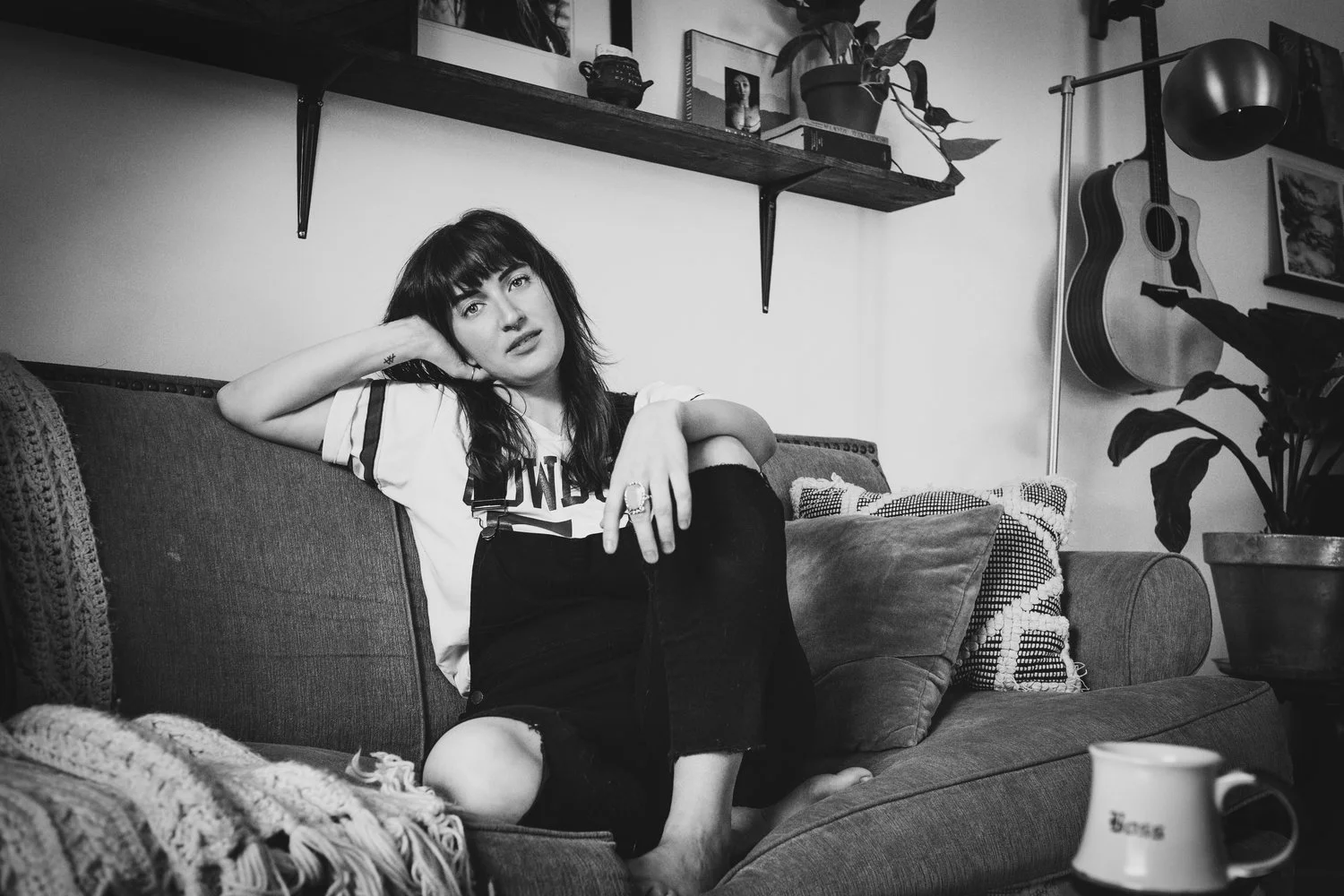
“I sat in front of that window right there and I watched my mom leave. Viggo was a month old. I was terrified. And I’m usually the kind of person that has my shit together. I was terrified. I think for the first time, I was facing a journey that I’d never been down before. ‘Oh my god, what am I going to do? I have a human being that I have to keep alive and I’m doing this by myself.’ I’m a single mom, but I made that choice. But also I didn’t realize what I was getting into.”
“There are so many things I want to do as a person. And some of them are just dumb things. I want to watch all these shows, I have all these books I want to read. I’m a comic book lover, so I want to read comic books. There are constantly little things in the day that I want to do. I want to go hang out and have a drink and sit on the balcony of a bar. But there is work to be done. So there’s constantly a fight between being a person and being this artist that’s grinding and still trying to make it.”
“There was an essay I was reading and Mary Oliver was quoted in it. It says, ‘One day you finally knew what you had to do and began.’ And for some reason, that really hit me. So when I came back [from the silent retreat] I thought, ‘I’m done. This is it.’ But I wasn’t. Three weeks later, I went to get some professional help.”

“I’m not somebody that’s like, ‘Things are supposed to happen or there’s a higher power.’ I’m very much not that kind of person. But I do believe that [my] injury happened for a reason. And it’s because I wasn’t dealing with grief.”

“It’s so funny you mention rules. We have an inside baseball joke about the rules as we see them. And the rules apply in all cases to what you’re saying about being professional and having standards. But also the rules in our world apply this way: If your dad—who I know very well—said to me, ‘I want to get back out of retirement and I need a place to record something.’ I’d say, ‘It’s yours.’ Or if someone is out of work and needs a guy to talk to, or a gal to talk to, needs some kind of advice, it’s done. That’s the rule. You play by that rule your whole life. Because people did that for me.”
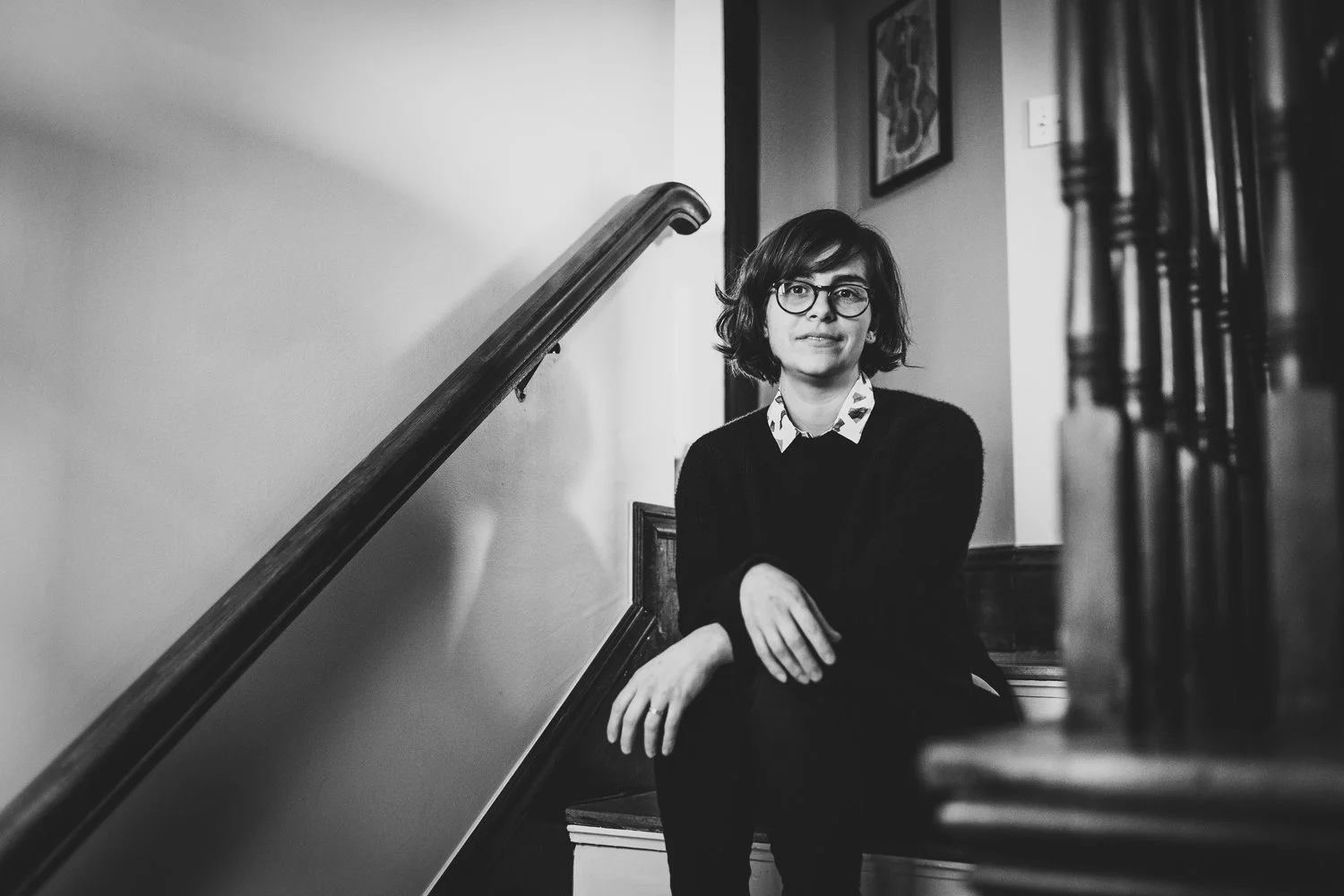
“I’ve been lucky to have great mentors and to be part of great teams and to not have had to face the kinds of harassment and the things that you read about. The kinds of things we’re seeing exposed every day right now. Especially in the sciences—everywhere really. I’ve been lucky in my career, but there’s the, ‘Oh you got that because you’re a woman and they needed more women.’ OK, buddy. Or ‘Your fellowship for women in science is discriminating against men.’ OK.
Other than those kinds of conversations, I’ve been really lucky and I continue to be lucky. To be part of the company I’m a part of [that] I know values diversity and is making really active changes and actively pushing back against the status quo. That’s really important.”

“I’m a lot like my dad. I’m not very vulnerable. That’s mostly because I tend to be 1) A black man in America, and 2) I work in a field where I’m a black man in America and I have to be able to prove twice as hard that I’m right compared to whoever else might be in the room. Sex, race, gender, whatever, be damned. I’m learning now, that as much as I have a gift for empathy, I am a vault sometimes. So I'm trying harder to make space for myself and the people around me. Also new people. Because I want to be inspired. I think friction makes the work better. I like bumping up against other good minds, other good intellects, other good creativity, other expressions, other forms, other function. To do that though, you have to continue to be somehow open.”

“Being in love is discovering a part of yourself through someone else. According to my husband, we have this agreement where we’re the only people we’ve ever loved, we have no past. [Laughter] And that kind of works for us. But the truth is any time you feel like, or I have—I won’t speak for everybody—I have felt like I was in love—and there’s all kinds of love too, right? There’s the friendship, there’s family. And let’s be real, even [with] family, there are people that you love and connect with more than others, right. But that always resonated or burned something within me because I was discovering something about myself in that person. I also think that when people break up it’s really that tragic. It’s because you’re breaking up with a part of yourself that you identified in someone. Whether it’s something you aspired to or even sometimes you’re attracted to the self-justification, the negativity. Relationships [can be] toxic. You don’t always fall in love with the people you’re supposed to fall in love with. But I think it’s because somebody mirrors something to you. Whether it’s the promise of it or the actuality of it, you see something reflect back.”
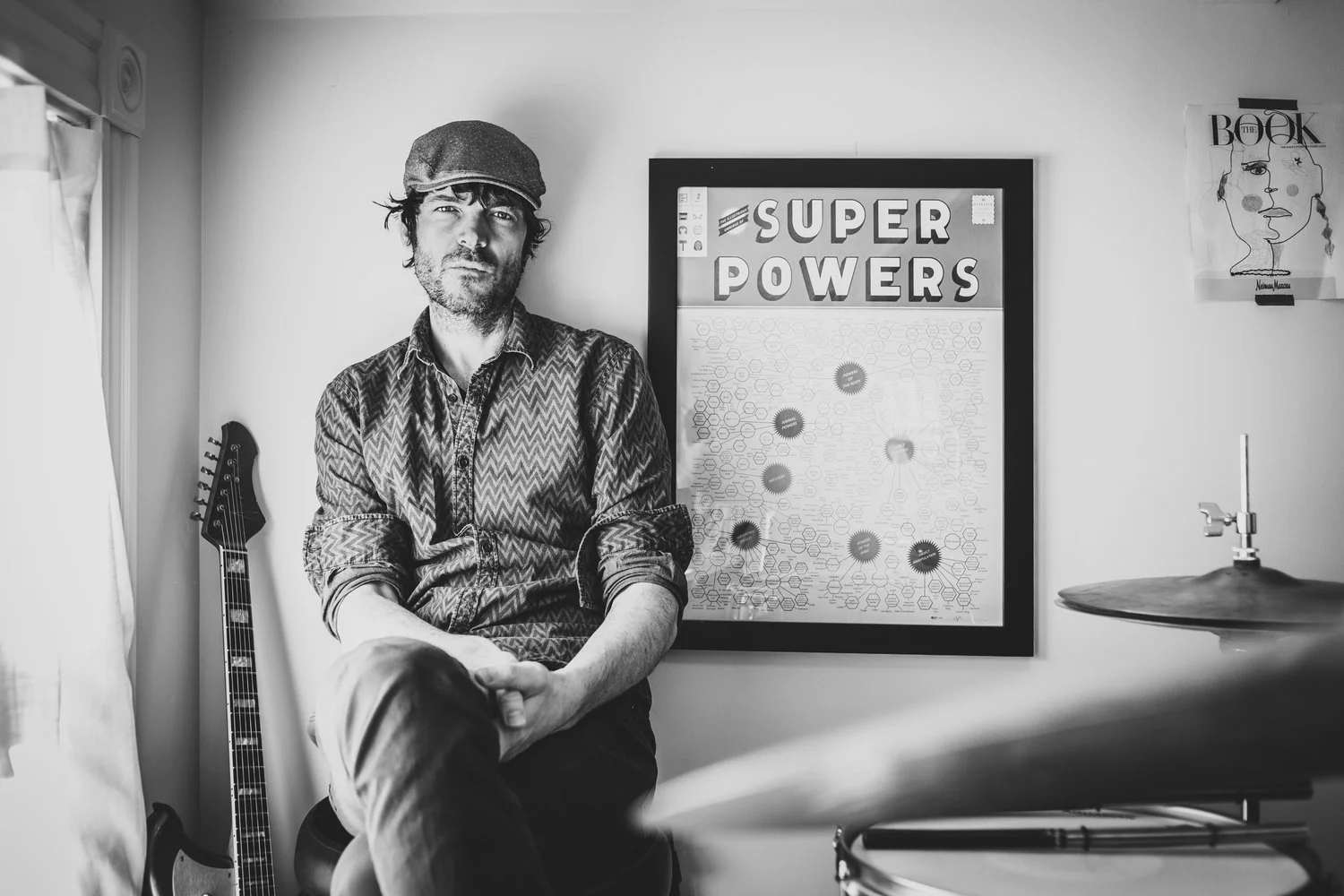
"Art happens no matter what. If you are going to stifle music education, if you're going to try to keep black people from having music education, you're just going to fuck yourself later on. And Jay-Z and Kendrick Lamar are going to fucking make you look like an asshole. And sound like an asshole when you question what they're doing on stage. I love that, I'm so entertained by that. But the white male, right now—with the #MeToo Movement, with Black Lives Matter, with our rampant inequality,—needs to have its own awakening. What happens when I think of Robin Williams, when I think of Chris Cornell, when I think of Scott Weiland, being white men, there are a couple steps I need to do to be a hero and it's not that hard. That takes nothing away from their beauty, but there are a lot of white men in despair because we've been sold this automatic thing that's becoming less automatic. The worst of us are having a horrible back lash to that. We have to admit that mens' lies have been fodder for rich men for millennia. We're told that we're the ones who... 'Oh there's some bad guys in a building at Nakatomi Plaza. You just need one guy with a gun and no shoes and the whole problem will be solved.' Great movie, but I grew up thinking, 'If I'm struggling, if my feet are bleeding, and if I persevere, I can do it all alone and I don't need any help. My vulnerability is only my own.' That whole thing is just a lie to get men to give up their lives or to give up their empathy or to hold on to the idea that they deserve everything eventually. We need to have a course correction on that."
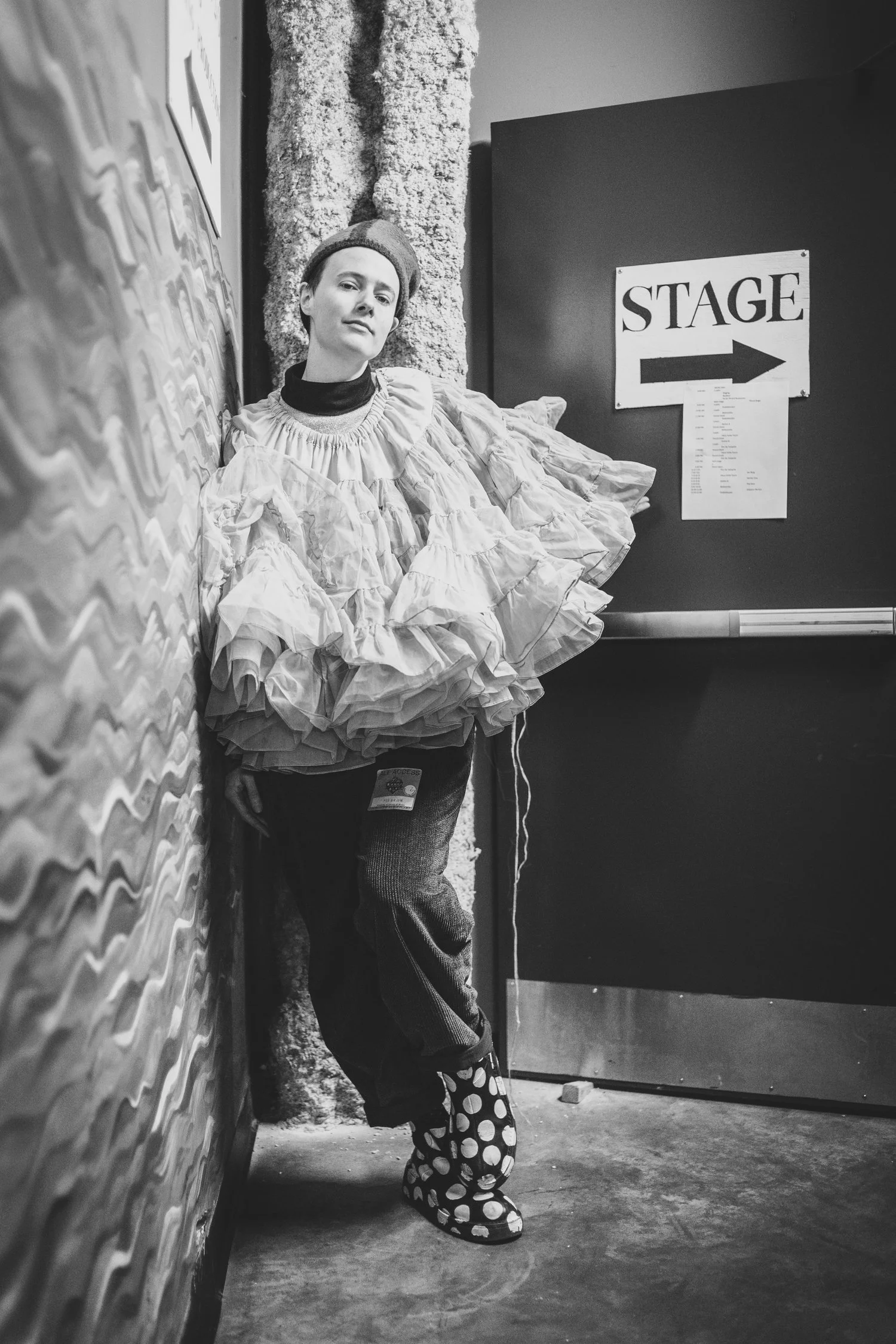
"I love nature and I grew up with so much access to it in a rural place in Vermont. Not just access, but that was more my home than inside. What I think about now, all the growth I've done, and learning about my nature, I think about the discoveries I made in the woods and I'm like, 'I was really learning about life then.' I remember my first moments of self-consciousness where I was standing—I remember it so distinctly—and just having this feeling like, 'Whoa! I'm me!' It was a period of a year where I kept being like, 'This is so weird. I'm a thing. And it's kind of awkward.' It's still happening now."
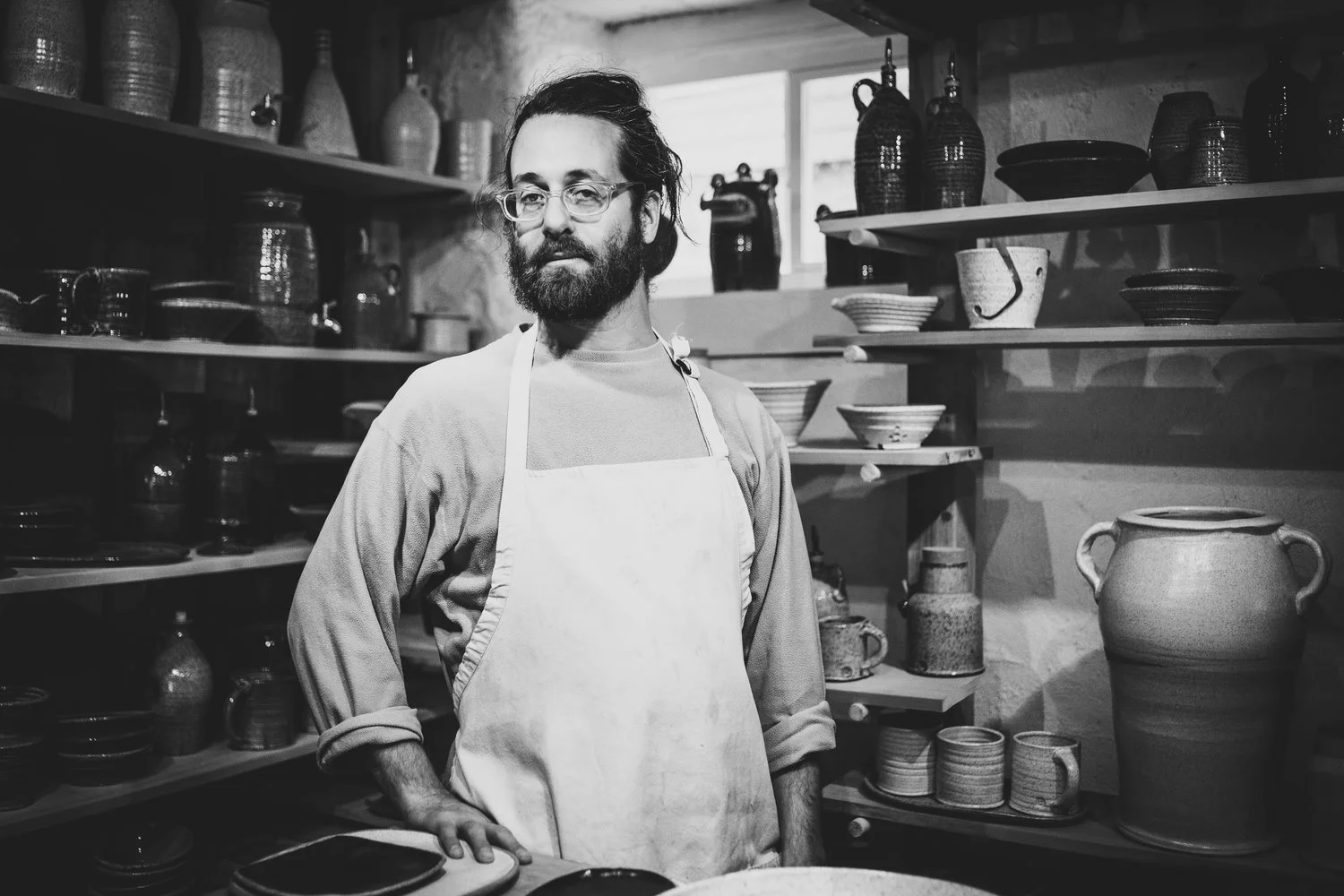
"Being able to be vulnerable with my partner and open myself up, which is difficult for me, to be honest. It's really difficult to discuss certain things, to open myself up to criticism, to change in partnership with someone. That's a big part of love for us. Something, like I said, I struggle with, I'm not good at, but I need to commit to being better at it. It's something I'm not good at necessarily, but because I love my my wife, I'm willing to become better at it."
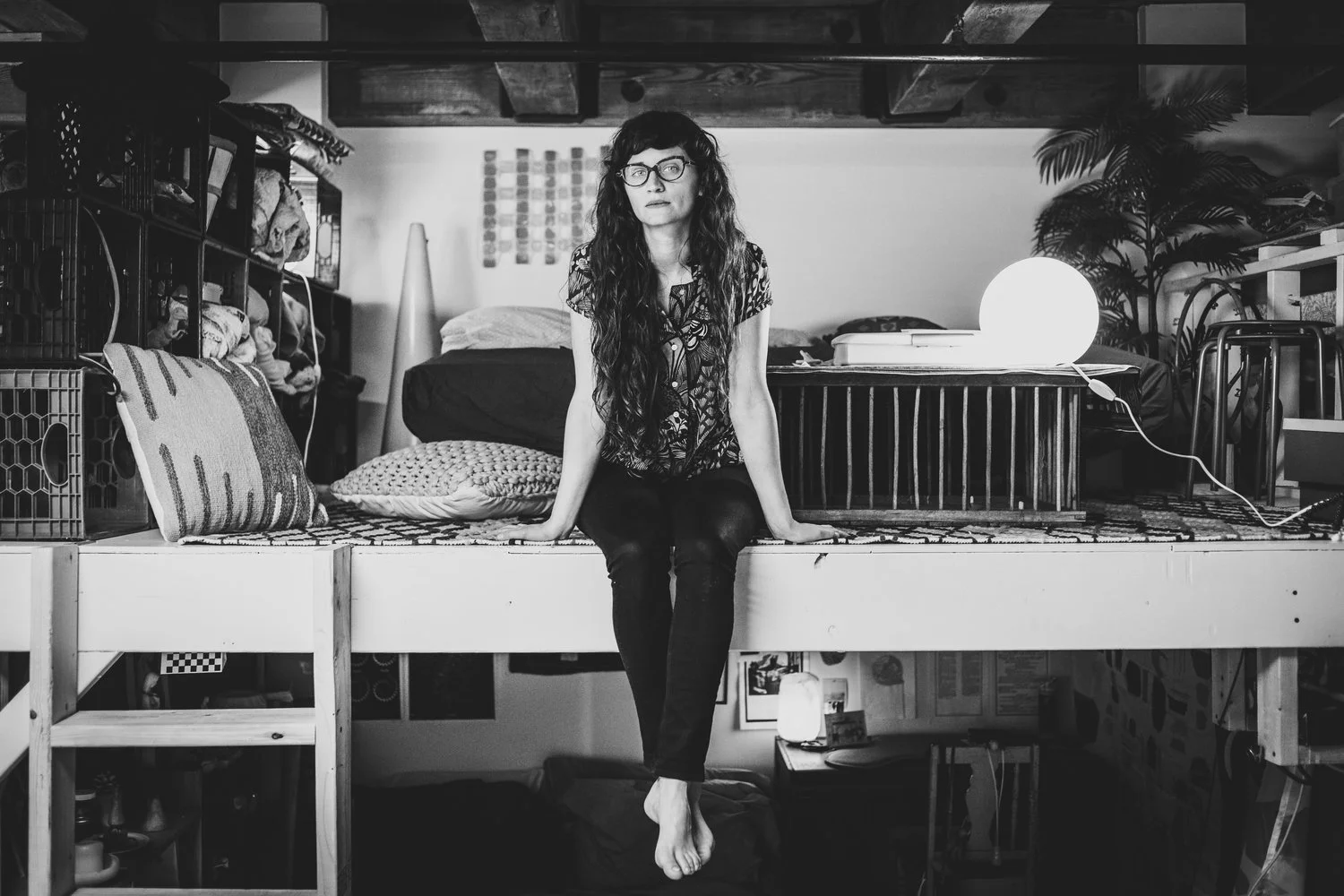
“There’s that phrase, ‘If you love something, set it free.’ I think that’s a principle that’s really difficult for everyone. Myself included. But it is something that I come back to sometimes. If you love something, you’re not trying to possess it or control it. That being said, I do think a lot of people are afraid of love and afraid of being vulnerable. Personally I think of being 'in love' as being willing to be radically open and radically vulnerable. I don’t really know another way to be. I usually try to demonstrate that to a partner. Being honest and open and sharing your emotions and sharing your spaces and sharing power.”
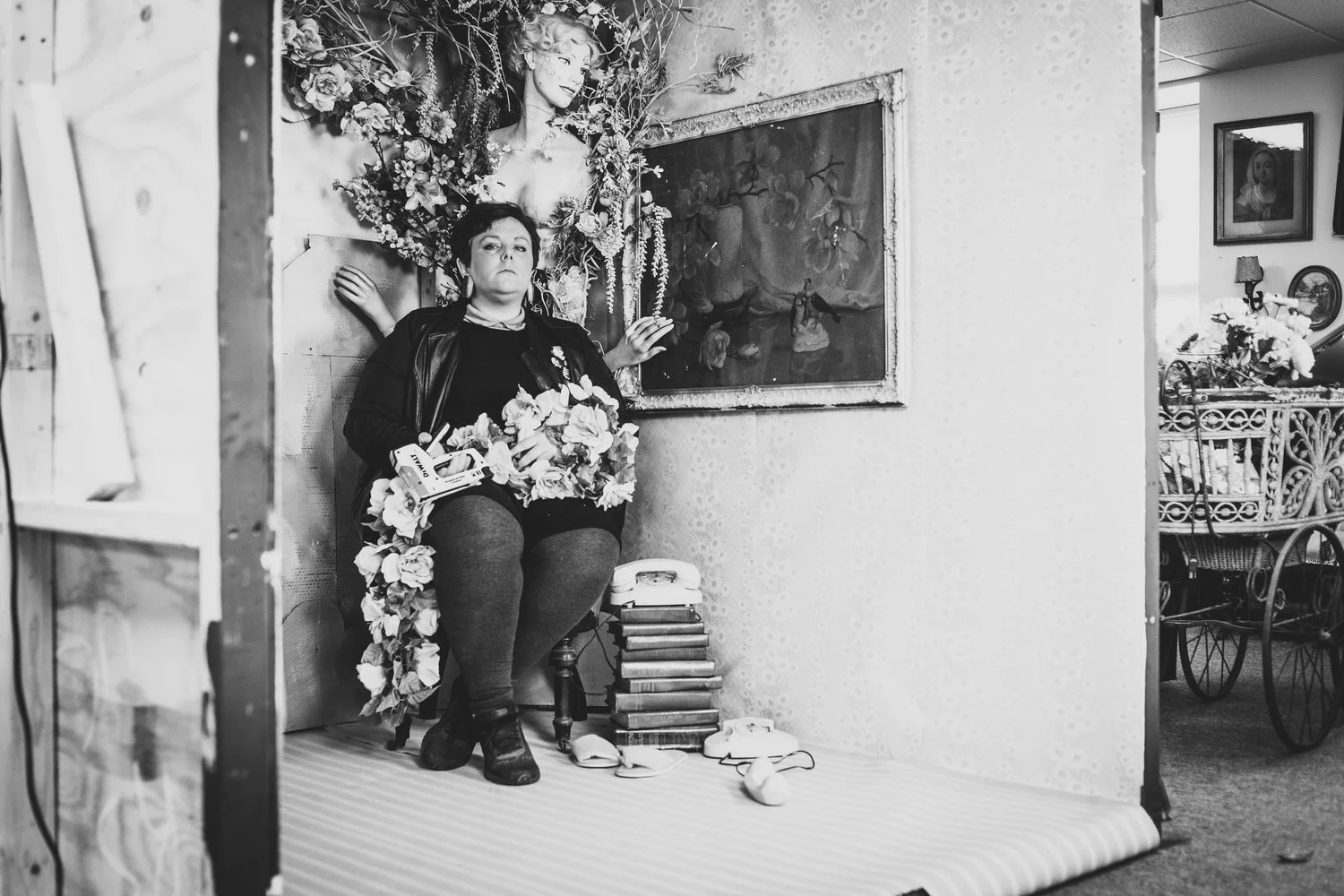
"I can dig in deep to what I'm doing, I can lose myself in this stuff, I can take those feelings and somehow make them into something visual. And that was important to me. Even if it didn't come out (as) what I was thinking, it was just everything coming out of me in a therapeutic way. And after a while I learned how to corral that when I started feeling better. It's like, OK, this is how I'm going to piece these puzzles together. I always think, 'Where would I be?' And it scares me thinking if I didn't have this outlet...I don't know where I'd be right now."

"I've been in situations where I tried hard to make a relationship work, but it made me more unattractive. So that sometimes doesn't work. I feel like I've had a plethora of different kinds of relationships. Whether it just be a really really fun casual one or one where it was—the last person I dated, I was like, 'I'm probably going to marry this person.' And it didn't work out. She wanted a commitment sooner than later and I was down, but it was a long distance relationship. She wanted me to move to New York and I said that I totally will once my lease is up, but I think she was feeling some kind of pressure. She's a great lady. She was the greatest person I ever dated. I still regret it to this day."

"Realizing in life, there’s racism that exists. There are all these different systems of oppression. And then realizing when you come to terms with—I remember when I was younger, way younger, I thought maybe some things were bad, but my personal belief is that we live in a system, multiple layers of systems that benefit a few. There’s elite and the rest of us. I had to come to terms with realizing that what I wanted to do in my life was to fight back against those systems or at least create conditions for people to thrive no matter who they are. This is what I want to do with my life. And committing to that and guiding my life in a way to do that."
"There were some things I missed out on in some ways. My friends left for university and I was ready to do that, but I went into making a debut album. I knew with my heart it was what I wanted to do. It felt like a calling or a deeper purpose. But that idea of journeying with friends and going to university and having this tight group going through all these experiences together, it wasn't really something I had. I made new friends but a lot of them were a lot older than me and we got into music together, but I didn't have that same sisterhood feeling of, 'Yep, we went through college together.' But in saying that, you come to different maturities at different times of your life. I have that now in a really profound way. A really strong sense of female friends and male friends that I've made and shared so much with."

"I was married to a man, to Frank, who I told you about, and I met Meredith. It was a moment that I had to tell him that I had fallen in love with a woman and maybe I was gay. I still don't know if that label works. I could really make myself start bawling right now. Being honest with him. It took me eight weeks to realize that's what I had to do. Tell him. Hurt him like that."

"It's when your thoughts turn off up here and it becomes just a feeling. I've been in a love with a person, yes, and I've been in love with music, I've been in love with art. It doesn't need to be a person you can be in love with. It's when all your thoughts go away and it just becomes a feeling you can't even control at that point. It's also an act of...you're putting that thing beyond anything else. I don't think I could put in a 16-, 18-hour day and not be in love with what I do. Because at four in the morning, if you're still there, trying to figure it out, and you're just loving that moment, either you're a bit crazy or a bit in love."

"When your days are done, did you do anything? There's this thing in your head and you have to get it out on the paper. So the inertia of...when all is said and done, did you do it? Did you do it? If not, for me, 'Oh God, I failed.' But then there's the everyday inertia. Did I get to the drawing table today? Did I get to the computer and write something today? The inertia of...you have all these other responsibilities to take care of, you have all these other tasks to get done, you have your own issues that you fight. A lot of people wait for motivation to show up in the room. It's never going to. You just have to do the work. And inertia wants to tell you no."

"My ability to feel a real sense of joy and pride—healthy pride—and ownership over some of those great accomplishments that have happened in my life, I never really did. And I have to say that now my greatest accomplishment is actually being able able to say, 'I can't do this and I need help.' I can't do the work of figuring out how to relate to people and deal with my abandonment and the adoption and all that stuff, I can't do that on my own. But the accomplishment was being able to say, 'My life is not working out. It hasn't been working out in the ways that I want it to work out and I continually fall short and it continually fails.' Now to be able to say, 'And here's why.' Now I can't be afraid of it. I have to embrace it. It's part of my story."

"I was always a big worrier. My whole life I was always stressed about things. Stressed about going to the dentist and whatever doctor, always worrying about things. But [going into back surgery] was the first time in my life that I was completely fine. Because I knew it was going to help. And I was in so much pain, every day of my life. I was in so much pain. I would take naps all the time because it was just fatigue. It was hard to think. It was a lot. And when I woke up from surgery—obviously I was groggy and out of it and in pain—but I immediately felt better. I could breathe. I never realized that my breathing was impacted, but I woke up and I was like, 'Oh my god, I can breathe.'"

"I still have the journal that I had when I was fifteen. I wrote an entry that was basically, 'I want to die. I can’t imagine being in a wheelchair all my life.' I’m so glad I have that. And my handwriting was even horrible, chicken scratch, that’s how depressed I was. Seeing that is crazy. People have asked me if I can relate to that girl. There’s part of me that’s in there, but then there’s a side of me that sees it as just the circumstance. Even though those were valid feelings, I can see now how life plays out in the sense that there’s a core you that can go through anything and those circumstances will overflow. It’s just like water. You can be on top of the water, under the water, you can be feeling like you’re drowning. Then at the end of the day it’s still you there figuring out that this is a shit storm. Then, wait, there’s land. And you can see the water from a different perspective."

"Being shaken into consciousness whatever that shake is. The AA slang is your bottom is when you stop digging. For some people it takes a stroke. For some people it’s a broken nail. For some it’s real arrests and real problems. Everyone’s shake-up happens. Not everyone, but a lot of people go through this. You hope it happens in soft and gentle ways, but unfortunately that’s not always the case, sometimes it’s too late and there’s real damage done. Going through it isn’t easy. Once you emerge, perspective becomes real. How you live in love, how you live in gratitude. For me it dramatically shifted.

"When I started out as a photographer—and even until now—I don’t really get any help. I never had a mentor. I tried asking people if I could assist them and they weren’t keen because I was already getting jobs very early on, so it was a conflict of interest. When I wanted to learn how to use studio lights, I had to buy studio equipment and start my own studio and just figure it out from scratch. It was really time-consuming. A constant uphill climb."

"To me, the thing that struck me the most from the very earliest days at GrubStreet, really from our very first students when I really didn’t know what we were doing, people were so moved and transformed by just being together in a classroom and sharing work, which is a very hard and vulnerable thing to do, that they believed in each other and they believed in those of us teaching in those early classes, and they were always ready to step up and give us advice or feedback or help out so when GrubStreet officially became a non-profit, from the student body came our first board of directors. They helped with filling out the crazy and byzantine 501c3 paperwork and on and on. At every single stage of our development as an organization people have presented themselves showing up with just what we need at that moment. That’s about being as clear as you can be about the values and the vision and the mission.

"The importance of when you’re playing in a band or a musical situation that it’s not about you. You’re trying to make the musicians and people around you as welcomed as possible. That’s with the people listening and watching or dancing, and the people you’re playing with. I call them—the best musicians are like elevators, you play one note with them and you jump in and they take you up, they make you better.
When you play music, listen to everything else that’s going on. Don’t just listen to what you’re doing. Otherwise you lose the big picture."

"But something that’s been a struggle is that I’ve suffered with depression my whole life. I don’t know if I’d want to change it though, because it makes me who I am. It gives me that crazy edge which I think I need musically. And I’ll be honest with you, I haven’t met one musician that’s not absolutely fucking nuts in some way. We all have issues.
Me: What do you do to combat those issues when they come up?
Allen: Therapy. Music. Being around people. Sometimes not being around people. Pets. There’s a lot of stuff to do. I stay away from recreational drugs. I don’t really tap into that because that can make it worse.
I think depression would be the thing that I’d be better off without, but like I said, I don’t think I’d be better. It’s part of who I am."

"My way of dealing with anger—and she and I have talked about this before because she’s told me that she has difficulty controlling her emotions—I was telling her about the books that I read. One of them teaches you how to see your anger. We all get mad, but the ultimate thing is that we have to really feel our anger. Not to control it or fight against it, but to feel the anger. “I’m feeling angry, but what is this anger? Do I feel my body temperature get hot? How do I feel?” Once you start to feel how your body physically reacts to your emotions, you’ll realize your emotions calm down because you’re now aware of it. Then you can try to think about why you’re so angry. Because the easier thing is to blame other people, blame things. “This person’s fucked up” or “This thing is fucked up.” But maybe not. Maybe you should dig deeper and ask, “Why am I so angry?” Because no one else is angry, you are angry. So then you can understand what that trick is that makes you so angry. Once you find out, it’s usually that maybe you’re too self-centered or you didn’t see it from someone else’s perspective. Or maybe you’re too rushed or too aggressive or too passive. That’s why these moments of anger go this way. Because of your you. You’re not saying it’s your fault, it’s just that you played a part in it that caused this anger. That made you angry. So just deal with it and let it go."
"I feel like in every relationship that I’ve had that’s dissipated has gone away partly because of that. I’ve been divorced twice. For different reasons, but there are commonalities in all of them. That is something that’s fundamental in all relationships. Everybody wants to feel as if what it is that they’re thinking or what it is that they’re felling is at the very least acknowledged in a way where somebody appreciates what they’re thinking. They may not agree with it. But they can appreciate that you experience it. So yeah, of course.
Even anybody that’s had a job. Anybody that’s been in a huge metropolitan city. You walk around, you’re on the L, you’re surrounded by millions of people and you’re not connected to them in any way.
There’s a movie where this woman is working in a bookstore—it’s an Hal Hartley movie, I can’t remember the name—she’s just standing in the middle near these stairs and she keeps saying, 'Does anyone need any help? Does anyone need any help?' And of course no one even acknowledges her. It’s universal. Disconnection is built into this society. In good ways and bad ways."

"I went through three years of the choice to be alone. I tell some people that and they’re like, 'No way! Three years??' And I talk to other people and they’re like, 'Yeah, I’ve been single for 16 years. Tell me about it.' Three years was a huge deal for me and it was excruciating at times. But there was—how am I ever going to hear the voice of God if I don’t know what it’s like to be alone? If I’m never alone with Him, I always have noise or something else filling it in. So that was a huge learning time for me. Then I built up enough in myself that I didn’t experience loneliness even though I was alone, and it actually became fitting to add someone to me. I became whole enough that I didn’t need a woman to fill a void."

"Some of the best nights of my life are just sitting with wine or no wine or coffee or tea and just talking and learning from everyone’s experiences on the spectrum of humanity. There are so many variables that allow people to take these meandering paths that are so different that by the time you cross paths with them—even if they’re younger—they have, obviously, a mentality that’s going to be different because they didn’t lead an exact imprint of your life. And if you approach conversation, and you approach connecting with people as—instead of reacting to what feels different, really try to understand and learn, I think you can’t go wrong. That is part of what brings me a lot of joy in my life, is really trying to understand what makes us human in different ways, in different places.
"I’ve been thinking a lot about love lately. Love for me, in terms of a romantic love, is two people coming from two different worlds and coming together and making a new world that is fit for the both of them. It usually comes with a struggle, but obviously, the romanticism and the beauty that comes from the struggle and from the infatuation you have with each other is this thing. It feels like if you were alone in this world the whole time, all of a sudden it’s like this energy has been with you the whole time, and it makes you feel like any moment that you felt alone, you weren’t, and now you know you have this thing.
I’ve been really struggling in writing about love and trying to figure out how to represent it. And I think that’s what it is. You see it in movies and books and everything, and you see two people coming together and they take a part of each other and start to adapt in their own lives until they’ve created a bubble that works for the two of them."

Annie: "It’s funny because I’ve always viewed myself as a contemporary of women like that. I see myself as inspired by Lena Dunham, but I am just like her. We are colleagues. Which is not realistic because she has Emmy awards and lots of money and she can make anything she wants, but I still see her as my contemporary. I want to sit and discuss themes with her."
Betsy: "Our dogs go to the same doggie day care so I also feel like her contemporary."

"I had a really wonderful English class in high school. The theme of the class was destiny. The books that we read—one was Joseph Campbell’s Interview with Bill Moyers [The Power of Myth] which was a really pivotal one—and we also read Dante’s Inferno and a few other books. But I remember at the end of the class the professor, in his wisdom, had us write an omniscient perspective—what do you imagine you are going to become in your life and now you have to look back and say what was this whole thing. And experiencing your life from the end of the road when here you are in this precious teenage existence.
So I wrote this essay and it ends up as a massive diary entry of teenage folly and emotions, and it was such an amazing experience to think of yourself in that way. Not in an egotistical way, but just to force yourself to confront yourself and really look at yourself with that perspective is really difficult. And it made me think, 'Wow, I can be more than I thought I could be.'”

"You can’t change the world, but you can make aspects of it move in the direction you want to. Through PR you have access to—let’s say if I was a writer for a publication, I’d only be able to write for that publication and my editor would be my boss, but working in PR, I have access to every publication that exists, and can get stories of things that I want in the world out there to shift the whole story. Then I have access to hundreds of millions of people as opposed to the maybe hundreds of thousands that one outlet would have. That’s why you have to be super careful of what you’re putting out there because you don’t want to make something that hurts people."
"There’s something that terrifies most partners about having a partner who they know if they left me, I’ll be totally fine, and perhaps if I left them, they would not be totally fine. That’s an imbalance of power. I also really expect a lot from people. I expect the best from myself, but I also expect the best from other people. Which is unfair because I shouldn’t really hold people to my own personal standards, but I really can’t. I’ve tried to work on it. I was single for four years and in that time I did a lot of work on myself, but that’s one thing I just can’t get past. If I can’t have someone who’s up to my standards then I could just hang out by myself. I don’t need money, I don’t need someone to constantly be with me, I can find sex when I need that, I don’t want to have kids. So I don't really need anything from anybody else. When I have a mate I just need them to pay attention to me. But that’s pretty much it. Pay attention and be thoughtful. You never have to buy anything for me. That’s never necessary."

"I love the internet, I came up on the internet, I came up with internet video. Those are my people, that’s where I tried to make the most change initially. I love editing, I don’t like being on set, I don’t like leaving the house, so doing video mash-ups was really a way for me to use the language of pop culture to talk back to popular culture and make these critiques and little video montages. Remixing Sex and the City, remixing Mad Men. These are shows that I really loved and enjoyed, but I also wanted to be a fan and critic of it at the same time. Taking it apart, putting it back together was not only a great way for me to learn how to edit, but how to convey a critical perspective through video in a way, in a language that people already know and understand which is popular culture.

"I had some dark times with drug and alcohol abuse. There were definitely dark moments where I felt outside of the whole experience. I was left isolated. And that was another thing my wife helped with with—she brought me out of that. Not actively, but through my meeting her it evolved me out of that self-destructive state of mind.
This idea that there’s this source, like a river, and being connected to that, and my biggest fear is being somehow isolated from that or being detached."

"If we all sit back and think about our creative heroes—musically, artistically, painters, sculptors—a lot of them aren’t that happy in their lives and they’re filled with angst and there’s tragedy, and I’m constantly thinking, 'Do I need more tragedy in my life to create the kind of brilliance that I want to leave that legacy?' And then you think, 'Does it matter to van Gogh, now that he’s dead, that he’s a hero to so many people when he was so miserable in his life?' So the big question I have is: Is it better to be creating things that people eventually think are brilliant, but you personally, during your life, are not that happy? Or is it better to be stoked every day and wake up—I know a lot of people who I would describe as smart, but simple…where they’re interesting, they’re good people, but they don’t think about the world as deeply as I do and because of that, I think they’re happier. I have a tremendous amount of envy for them."

"I’ve never had to worry about not being responsible enough or not being driven enough. That’s also why I excel in the kitchen…I respond well to hierarchy. Whether it’s gymnastics or martial arts or whatever, I love learning basics, I love training basics, and doing my very best with those, and then every day you just push harder, faster, better, and things progress naturally that way. The kitchen is the same way. I grew up in restaurants that were chef-owned and I didn’t realize what an impact that would have on me at the time. Being the chef-owner of a restaurant now, I followed suit. It’s a huge sacrifice and a gigantic commitment for sure. That can be very overwhelming and definitely scary, but even then…it’s not smart to not be scared of anything. It’s not smart to not be daunted at times. But at the same time, you shouldn’t let it overwhelm you. That won’t get you anywhere. So I’ve been worried about what’s going to happen, but those times have been when I reminded myself about what’s important and then you, moment by moment, keep on going.

"Nothing’s going to get handed to you. You need to show that you have a talent, first of all, obviously, but the work ethic that goes behind it as well. I worked full-time at a bakery after I graduated college and on my off days, I would come in [to the tattoo shop] and clean because [the shop owner], right off the bat, told me, 'I’m not going to offer you an apprenticeship.' So I did it thinking that it would just be a good experience and she would give me a good recommendation down the road. So after a few months of doing that, she offered me an apprenticeship. And I had no idea that was coming. I was thinking, 'She hates me, she’s not going to give me anything.' I had absolutely zero idea. I cried. "

"Failure is giving up when you shouldn’t give up. You have to know when to give up. There are certain projects that I’ve worked on that I think, 'It’s OK if I don’t finish this, it’s OK if I put this aside. I’ve still learned something even if it’s not done and other people won’t read it.' But if I gave up on something just because it was hard or because I was frustrated with it or if I didn’t give it enough time or focus and then I give up on it, that’s failure. If you work really really hard and something doesn’t work out, you still learn something from it. If you give up or you feel like you failed, but it’s really just because you didn’t give it your all, then that’s failure."
"One thing I realize and I love about collaboration is that you could never do it by yourself. After all the years of doing Stars of the Lid, to be able to again find someone like Dustin—because it’s only been since 2011 when we put out our first record, so it’s in infancy still. But it’s been pretty fruitful and it’s resonated with people. It’s actually been great to find a way to collaborate with someone again at this level. I find it very rewarding. I also find it very easy—every artist says they don’t have an ego, I’m sure I do—but it’s nice to realize this later in life that sometimes you have a belief, 'Oh this song needs to sound like this' but to just trust someone else and to give some of yourself to someone else, it’s kind of romantic in a way. It feels good that sometimes I might not think it was the best idea, but someone feels strongly about it you can say, 'Hey man, let’s follow your lead on this one.'"

"You need to have an appetite for life. You have to say yes to a lot of things and try a lot of things out. And my greatest fear is that I will shut down because I’m afraid of failure and not continue enjoying every day. That sounds scary to me. Struggling with bouts of depression. We have so many things that make us happy—the fear would be the situation where the things that make you happy don’t make you happy any more because you chose something else."

"I had a boyfriend that I was leaving and he kidnapped me. He beat me up and drove me to the north shore of Hawaii and put a gun to my head execution style and told me he was going to kill me. I thought I was going to die. When your life flashes before you—that was before my kids, so it was just life in general. I think now if that happened, my kids would flash first, and friends, family, and just life, just walking down the street. I enjoy just walking down the street and the wind blowing, watching a rose grow out of the ground. Everything is just so much more beautiful after you almost die."

"When I started meeting my baseball heroes, Charlie Hough and Tim Wakefield and Phil Niekro, you could tell that those guys had achieved something that they wanted to achieve and they’re completely at peace as far as the social side of their lives. When you meet them, there’s zero agitation. When you meet some people you can feel there’s an energy drain and they’re tying to prove something or they’re trying to put up an eminence front about something. And I’m, hopefully, going to be like those other guys. And be completely at peace at some point. So that everybody around me can feel that."

"Every relationship has its ups and downs and there have been times when one of us has felt, 'I’m not getting the respect that I deserve out of you. What’s going on here?' So being able to talk through that and have the person on the other end go, 'Oh, you know, you’re right. I’ve been a real jerk about it and here’s what I need to change or else I’m on shaky ground here.'"

"People ask the cliché, what’s the purpose of life? Why am I here? Do I have a set purpose? Maybe I do. But who’s to say my purpose is supposed to be some grand thing. Who’s to say my purpose is supposed to be the Bill Gates Foundation or giving billions of dollars to the world. Whereas there are so many things that happen in our day-to-day that we contribute to, so then I can go down the rabbit hole…what if one day you say thank you to someone—the butterfly effect. You do something that helps someone else and you don’t realize it. I would hope that me living a good life or being a good person…that has some kind of effect on people. So I’m not too worried about what my goal in life is."

"I am still asking myself the reason why there is so much beauty, the reason why we are never indulged, the reason why we are still looking for it, but we are not valuing it. So this is a challenge, a very strong contrast between the acknowledgement of the fact that there is so much beauty, which is difficult to see sometimes, and the fact that it is not valued in the right way."

"I haven’t been playing music a lot lately and that—I didn't realize it at first, but that’s really affected my mental stability and well-being. I’ve been kept busy, but I have on and off depression, so when I’m in a funk, I realize how much I miss music more. It’s so healing and very meditative for me. I can’t go back and change it, but I’d like to go back and try to get back to where I was musically. I just need to get into the right mental place to start it up again."

"I’ve always had a feeling that I was motivated to do more or be some sort of messenger, not in a messianic sort of way, whether it’s through art of whatever. Deep down I’m an extreme sort of person. 'If you believe in this, would you die for it, would you go for it?' If you wouldn’t, then you probably don’t totally believe in it. I’m a big fan of history and everyone in history who has made a change has died for it or they’re in jail for it. Leonard Peltier. He sacrificed his life for it. My fear is when and will I have to make that decision between being just a regular modified artist or messenger in this world or do I go and die for it. That’s my fear."

"I lost my dad when I was seventeen, so it made me realize how much—how important family is. How much of an impact it can have on you. And how important it is to tell your loved ones that you love them and to spend time with them."

"That’s the thing, I still have that voice in my head and I’m fighting that voice every day. The thing is that I realized I could fight the voice. Realizing that it’s just your brain. As humans, we’re just meant to be nomadic and hunt and procreate. We created this great society where we have to keep chasing things. With that comes a lot of stress about success and maintaining and finding your place in the world that we live in. Hearing that voice and telling that voice, 'You’re full of shit.' And it’s always gonna be there."

"I’ve just not really been making time for reading. And with such a strong relationship to feminism for a lot of years and not knowing a lot of history of that and definitely having a limited view of what that is, that’s one topic I've been into. Right now I’m reading feminist sci-fi by Octavia Butler which is totally not a genre that I had any interest in, but I realize that dystopian, feminist, sci-fi version is kind of my jam! That feels like the current, 'I want to spend some time with this and catch up on it because I feel like I haven’t given myself or shown up for.'"

"I was just out drinking all the time and playing the tortured artist. That’s something that, over time, a decade plus, I started to come to terms with. Like, 'I’m not going to get anywhere with my art or my life without turning this corner.' I think there’s this tendency as an artist to go for the Basquiats or the Jim Morrisons or the Kurt Cobains…that’s a really sexy idea, the artist who burned out quickly or released all this great content but then died young. I just realized that I don’t wanna die young."

"I’m probably most proud of some of the long friendships that I’ve been able to keep in my life. And that we help each other grow. That affects my music, so it’s hard to say—if it’s only music, there are so many things that are connected to that. I’m proud to have these 25-year friendships that have been in my life, that we continue to push each other, and help each other grow."

"...when I started exercising, when I started going from a guy that never exercised a day in his life to exercising six days a week, the thing that I always said to myself—and this was the thing that I put on the pillow, the tee shirt, on the inside of the eyelids—working out takes an hour, procrastination takes all day. Somebody might have told it to me, I’m not taking credit for it. But put that in your pipe and smoke it."
"I’m not into the over-protective, helicopter style of parenting. We’re nervous if our three-year-old is out in front of the house unattended because of the street. But we live on a cul-de-sac. We don’t live on a busy street. We’re at the top of the neighborhood in the back, maybe cars pass by like twice an hour or something like that. Yet, we don’t want him to be out there by himself. But at the same time, we’ve taught him not to go in the street."

"I think I’ve been able to use my gifts as an educator to help several people that I’m completely aware of, and probably many more that I’m not aware of, get out of poverty. Yeah, so I think my exuberance for sharing what I know enabled others' lives to greatly benefit. And that’s a profound thing for me."

"Being in love is just a chemical reaction, in my mind. And it feels really great til it wears off. Staying in love is the thing that I have a problem with. I just don’t stay in love with things forever. Except my dogs."

"I’ve been working really hard lately on conquering fear. Anxiety is a terrible thing. Depression is a terrible thing. And it’s something that I know very well. I think music has helped me overcome so many fears. I think that I wouldn’t be here still if I weren’t doing music."
"I try to be as healthy as I can in every phase. I try to eat good and exercise, I do a lot of exercise. I try to pursue spiritual goals and stuff like that. I’m constantly trying to erase blindspots. Try to look at myself in the mirror. Try to get a clearer picture of who I am."

"It reminds me of, ya know, the Pablo Picasso quote, 'The purpose of life is to find your gift and the meaning of life is to give it away.' So that’s my goal is to try to find that gift that I think—I think my gift is kindness because I always got that growing up… 'You’re too nice. You’re too kind.' They almost like put me down for that reason ..."

"Philosophically, my greatest fear is living in fear and not out of love. Ya know, it’s making those decisions every day that come out of fear and knowing when I’m not in alignment. Not being in alignment is my greatest fear. Being fictitious. Suppressing my true nature."
"So that allowed me to be sort of free to just enjoy the experience and be grateful that I was there and my parents were there and we could just celebrate that together as a family. Which was awesome. And it was meaningful for me and it was meaningful for them especially considering that just twelve years before I had a fifty percent chance to live and cancer and everything."
"Witnessing a child being born—your child being born is, ah, yeah it changes you forever, there’s no doubt about that. We went through it twice, we have two girls, and they’re a big part of my life and I love them, and yeah, it’s a pretty easy answer to be honest."

"I was adopted, so I had a family that—for some reason, I just had rage and maybe it was me not knowing who I was or where I come from. And I had let it affect me a lot in my life. So it furthered along with them. To this day I have no relationship but I do hope to one day change that."

"...and in that moment I was like, 'OK. I’m trapped in this car. I see blood everywhere. I can’t move, really.' And I saw my phone had separated from the battery and it was like over there and I was like, 'Ahhhh, crap.' It was like that moment. Of all things that crossed my mind at that point. I would say I’m particularly close with my parents, but at that moment, that’s all I wanted. I was like, 'I wish I could tell my parents I love them right now.'"

"Just trying to be a nice person, I guess. Trying not to do bad things and try to be nice. That’s a pretty big accomplishment in this day, I suppose. There’s a lot of crap out there, so. [I’m] successful, yeah. Successful at being good!"

"But [my brother and I are] always pretty close, so I appreciate that cuz as you move through life and things change and relationships change and things happen, it’s easy to focus on things outside of the family. He’s the only family I have. No mom, no dad, no relatives. We’re just two guys in the world."

"So I think the most emotional pain is after losing people you love. So a loss, an experience of loss. I lost my brother. So it was I think the most, probably…not probably, it was the most painful experience I had."

"Probably the loss of my oldest son. Losing a wife to cancer, of almost thirty-seven years, was a pain, but losing your child when it was totally unexpected just really hurt."

"I immerse myself in the stories of everything, it’s just yeah, ever since I was little I was devouring books when I was younger, like, ya know, just… I learnt more by reading books than I ever did in school."

"I was very naive and very passionate about things that I wanna do in life and all things like that. And also very trustful to other people. So I trusted a lot to other people. I just gave them—well, I was open hearted, completely."

"And the children are now nineteen and seventeen year old daughters are, they’re fine. They don’t care what their mother thinks. I still see them on a regular basis. But the sixteen year old son and an eleven year old daughter that don’t see me as often because they don’t want to upset their mother. Because she makes life so difficult [for them]."

"This is gonna sound really weird, but I’m really interested in, like, astronomy and stuff like that. So, like, before I die I really wanna just understand everything that I can about how stars are formed and made and, like, black holes and stuff like that. I don’t know why; that’s the first thing that came to my head. I should’ve said motherhood or something like that. [Laughs]"

"...if you get a text at the very beginning and you start smiling, or if you think of him and start smiling and have a strange- a good feeling in your tummy and you, you’re just happy and, ah, think of that person the whole time and ah, I think that’s when you’re in love. [Laughs] So yeah, just stupid stuff that makes you smile and feel happy and feel good."

"I truly enjoy someone that understands me and takes me for all the good and the bad and still can smile at me even after they want to punch me in the face. [Laughs] Still wake up the next day and say I love you. It wasn’t easy. It was a path I never would’ve imagined."
"I’m probably most proud of some of the long friendships that I’ve been able to keep in my life. And that we help each other grow. That affects my music, so it’s hard to say—if it’s only music, there are so many things that are connected to that. I’m proud to have these 25-year friendships that have been in my life, that we continue to push each other, and help each other grow."